3D & CGI
3D & CGI
for products, fashion and brands.
Build impossible perspectives with exquisite 3D visuals and product-focused animation. We model, render and animate products in CGI — imagery for launches, variants and campaigns, created before a sample exists and reused long after the shoot would have ended.
Modeling
Rendering
Animation
Sets
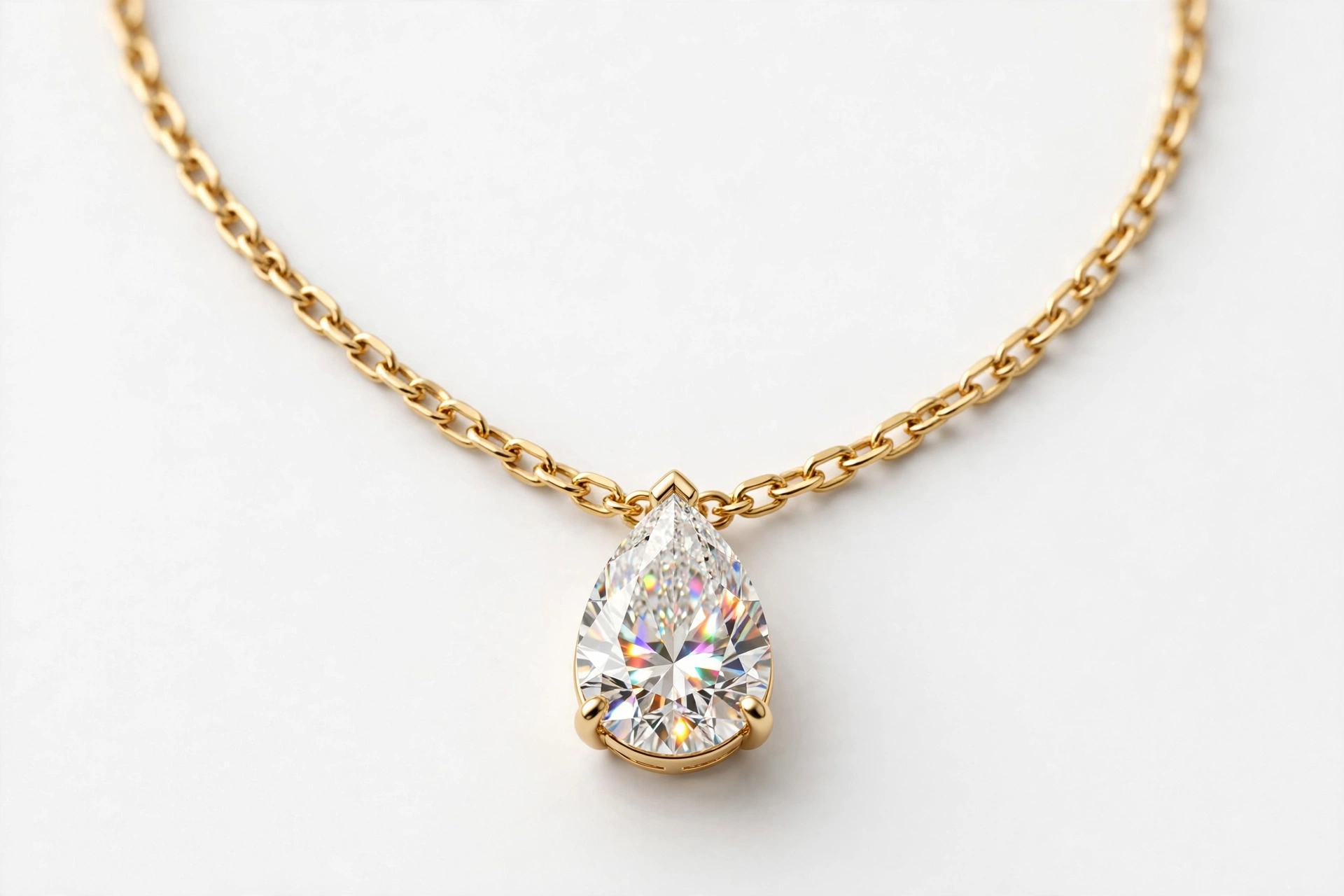 No camera
required
CGI RENDERING
ANIMATION
PACKSHOTS
VIRTUAL SETS
WHY CGI
Imagery without
the photoshoot limits.
A camera needs the product, the set, the light and the day. CGI needs the idea — which changes what a brand can show, and when it can show it.
CGI product imagery is built digitally: the product is modeled once, then rendered from any angle, in any material, in any environment you can describe. Launches no longer wait for samples, variant ranges no longer multiply shoot days, and a hero image is no longer limited by what fits in a studio.
Before the product exists
Pre-production imagery for launches, listings and campaigns — modeled from drawings, specs and references while manufacturing is still running.
Impossible perspectives
Exploded views, cutaways, macro detail and angles no lens can reach — the perspectives that explain a product best.
Consistency at scale
Every variant, colorway and packshot rendered to one exact standard, across a whole catalog and every season after.
Assets that keep working
A finished model is reusable: new colors, new scenes, new formats — without booking another shoot.
OUR SERVICES
Our 3D & CGI
services.
Eight connected services, one production pipeline. Start with a single modeled product, or build a full CGI image system for your catalog.
3D Product Modeling
Accurate digital models of your products built from photos, measurements or technical drawings — the foundation asset behind every CGI image.
Photorealistic CGI Rendering
Materials, lighting and virtual camera work that turn models into stills indistinguishable from photography.
3D Product Animation
Turntables, exploded views, feature demonstrations and launch films that show how a product works and moves.
Architectural Visualization
Interior and exterior visuals that place products and spaces in their best light — from plans and references.
CGI Fashion & Accessories
Bags, watches, jewelry, eyewear and footwear rendered for campaigns and catalogs — every colorway, no reshoots.
3D Packshots & Mockups
Packaging and product packshots produced from artwork and dielines — ready before the first unit is manufactured.
3D Compositing & VFX
CGI elements integrated into real photography and film: product replacement, set extension and invisible effects.
Virtual Sets & Environments
Digital locations and branded environments for product and fashion imagery — any world, no travel or set build.
HOW WE WORK
From brief
to final render.
Every CGI project follows the same five stages, so you always know what exists, what it looks like, and what comes next.
Brief & references
We collect your product references, dimensions, materials and brand assets, and agree the outputs: views, formats, and where the imagery will run.
Modeling
We build the product digitally — geometry, proportions and construction details — and confirm the model with you before look development begins.
Look development
Materials, finishes and lighting are built and tested on the model until surfaces behave like the real thing under the camera.
Render & animate
Final stills and animation are produced at delivery resolution, from the angles and sequences agreed in the brief.
Post & delivery
Renders are composited, retouched and color-finished by the same post-production team behind our photography services, then delivered in your required formats.
OUR EDGE
CGI by a
post-production studio.
Most CGI is made by generalist 3D shops. Ours is made by the studio behind fashion imagery for e-commerce brands — and it shows in the finishing.
Pic Visual has produced and retouched e-commerce imagery since 2013. Our ghost mannequin and product retouching teams finish photographed products every day; the CGI team works to the same realism standard, and every render passes through the same retouching and color discipline before delivery.
Photorealism discipline
Renders are judged against photography, not against other renders — materials, light and imperfections included.
Fashion & e-commerce first
Our CGI is built for product pages, marketplaces and campaigns, in the formats those channels actually require.
Photo + CGI, one team
Hybrid projects — photographed products in rendered scenes, CGI variants of photographed lines — happen under one roof.
WHO THIS IS FOR
Built for brands
that sell products.
E-commerce product brands
Catalogs that need consistent, variant-ready imagery without multiplying photoshoots.
Fashion & accessories labels
Bags, jewelry, eyewear and footwear presented at campaign quality, in every colorway.
Furniture & homeware brands
Products shown in believable rooms and spaces, styled without a set build.
Agencies & campaign teams
CGI capacity alongside creative production — launches, key visuals and product films.
Modeling builds the digital object — its geometry, proportions and details — from your product's photos, measurements or technical drawings. Rendering is what happens next: materials, lighting and a virtual camera turn that model into photorealistic stills or animation. Modeling creates the reusable asset; rendering creates the images you publish.
Not necessarily. We can model a product from good reference photography, technical drawings, dimension specifications, or a combination of these — which is why CGI works for products that are still in production. Physical samples help for complex, flexible or highly detailed items, but many projects never ship us a single unit.
Sometimes — and sometimes it should support photography rather than replace it. CGI is strongest for packshots, color and material variants, impossible angles, and imagery needed before a product exists. Photography still wins where a real model, real fabric movement or real-world context carries the sale. Most brands we work with use both, each where it performs best.
Reference material for the product (photos, drawings or specs), its dimensions and materials, your brand assets (logos, label artwork, color references), and a clear idea of the outputs you need — which views, which formats, and where the imagery will be used. From there we confirm scope and the production plan before modeling begins.
Yes — that is one of CGI's biggest advantages. Once a product is modeled, new colorways, materials and many variants can be rendered from the same asset without a new photoshoot, a new sample or a new studio booking. The model becomes a permanent part of your visual library.
READY TO SEE YOUR PRODUCT IN 3D?
Start with one product.
Send us your product references and tell us what you need to show. We will confirm what CGI can do for it and the clearest route to get there.