
PHOTOREALISTIC CGI RENDERING
Photorealistic CGI Rendering
stills that pass for photography.
Materials, lighting and a virtual camera, finished by a retouching studio. Our CGI rendering turns your 3D models into hero images, detail shots and complete variant sets that sit invisibly alongside your photography.
Materials
Lighting
Detail Shots
Sets
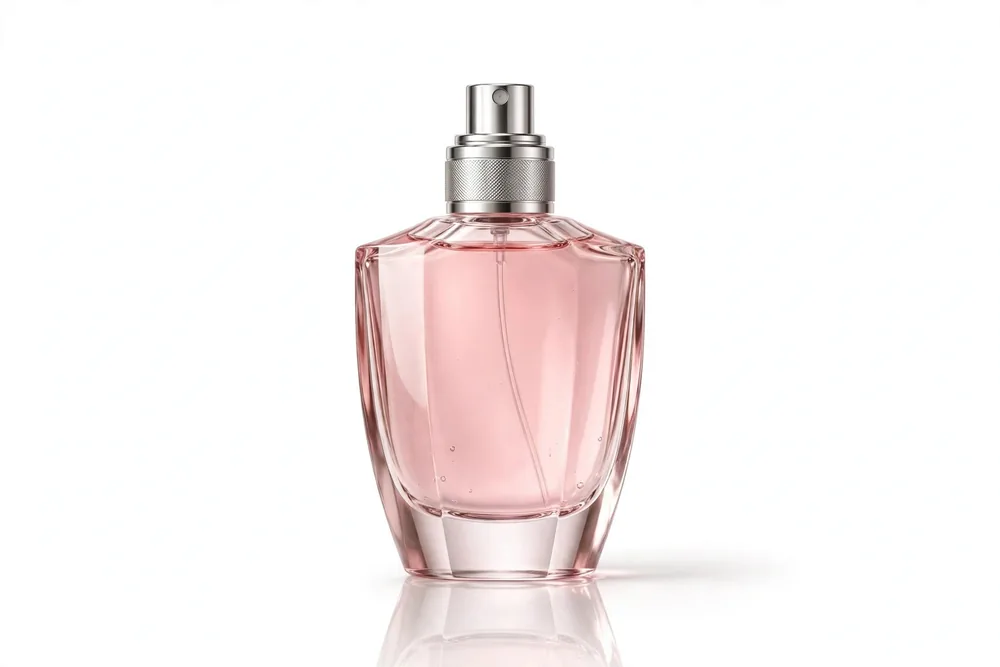 Lit like a studio,
built in 3D
MATERIALS
LIGHTING
CAMERA
FINISH
WHAT WE RENDER
Renders for every
place a product appears.
One approved model and one lit scene can produce a product’s complete image set — consistently, and at any size.
Hero images
The lead product-page and campaign shot: perfect angle, perfect light, zero compromise from a physical set.
Detail & macro renders
Texture, stitching, engraving, mechanisms — rendered closer and sharper than most lenses can work.
Variant sets
Every colorway and material rendered in identical framing and light, so a range reads as one family.
Scene placements
Products rendered into rooms, sets and environments for lifestyle and campaign imagery.
HOW PHOTOREALISM HAPPENS
Realism is a process,
not a filter.
Believable CGI is built in layers. Skip one, and the image feels wrong in ways shoppers notice even when they cannot name them.
Materials that behave
Surfaces are built from real-world properties — how glass refracts, how leather absorbs light, how brushed metal breaks a reflection.
Lighting with intent
Virtual studios replicate the softboxes, flags and gradients of real product photography — because light is what sells the surface.
Camera craft
Focal length, depth and perspective chosen like a photographer chooses them, so renders share your photography’s visual language.
Retouched finish
Every render passes through the same post-production as our photographed work: cleanup, color discipline and final polish.
OUR RENDERING PROCESS
From approved model
to finished stills.
Rendering builds on the approved model — which is why the two stages have their own approval gates.
Model & scene setup
The approved model is placed in its virtual studio; cameras and compositions are framed for each required shot.
Look development
Materials and lighting are built and tested in small renders until surfaces match your product and brand references.
Test renders
You review near-final images for angle, light and material accuracy before full-resolution production.
Final renders & post
Approved shots are rendered at delivery resolution, composited, retouched and delivered in your channel formats.
RENDERING OR PHOTOGRAPHY
Choosing honestly
between the two.
We sell both, which means our advice has no side to take. The honest comparison:
CGI wins when
The product does not exist yet, variants outnumber shoot days, the angle is impossible, or the scene would cost more to build than to render.
Photography wins when
A real model wears it, fabric movement sells it, or the product’s story is genuinely about a real place and moment.
Hybrid wins often
Photographed products in rendered environments, rendered variants of photographed lines — one team makes the join invisible.
That is the standard we work to. Photorealism comes from accurate materials, physically believable lighting and disciplined post-production — the same retouching and color craft our studio applies to photographed products. Where a product or material honestly resists full realism, we will say so at brief stage rather than promise it.
Renders are produced at the resolution your channels need — marketplace and product-page sizes, large-format campaign use, and high-resolution detail crops can all come from the same scene, because a virtual camera can re-render at any size without a reshoot.
Once a product is modeled and its scene is lit, variants are produced by changing the material or colorway in the scene and rendering again. That is why variant sets in CGI stay perfectly consistent in angle, light and framing — and why they cost a fraction of the effort of photographing every variant separately.
Usually, yes. Send us the model and we will assess its quality, scale accuracy and material setup. Clean, well-built models go straight into look development; models with geometry or proportion problems may need correction first, and we will show you what we find before any rendering is quoted.
A packshot is one specific kind of render (or photograph): the product shown plainly, usually front-facing on a clean background, for listings and catalogs. Rendering is the broader craft — hero images, lifestyle scenes, macro detail and campaign visuals as well as packshots. Our dedicated page covers packshot production itself.
READY FOR RENDERS THAT READ AS PHOTOS?
Show us the product.
A model, a product, or even just the idea — tell us where you are starting from and we will map the shortest route to finished stills.