
3D PRODUCT MODELING
3D Product Modeling
built true to the product.
We build accurate digital models of your products from photographs, measurements and technical drawings — clean, true-to-scale 3D assets that become the foundation for photorealistic renders, animation, packshots and every future variant.
Geometry
Products
& Apparel
Assets
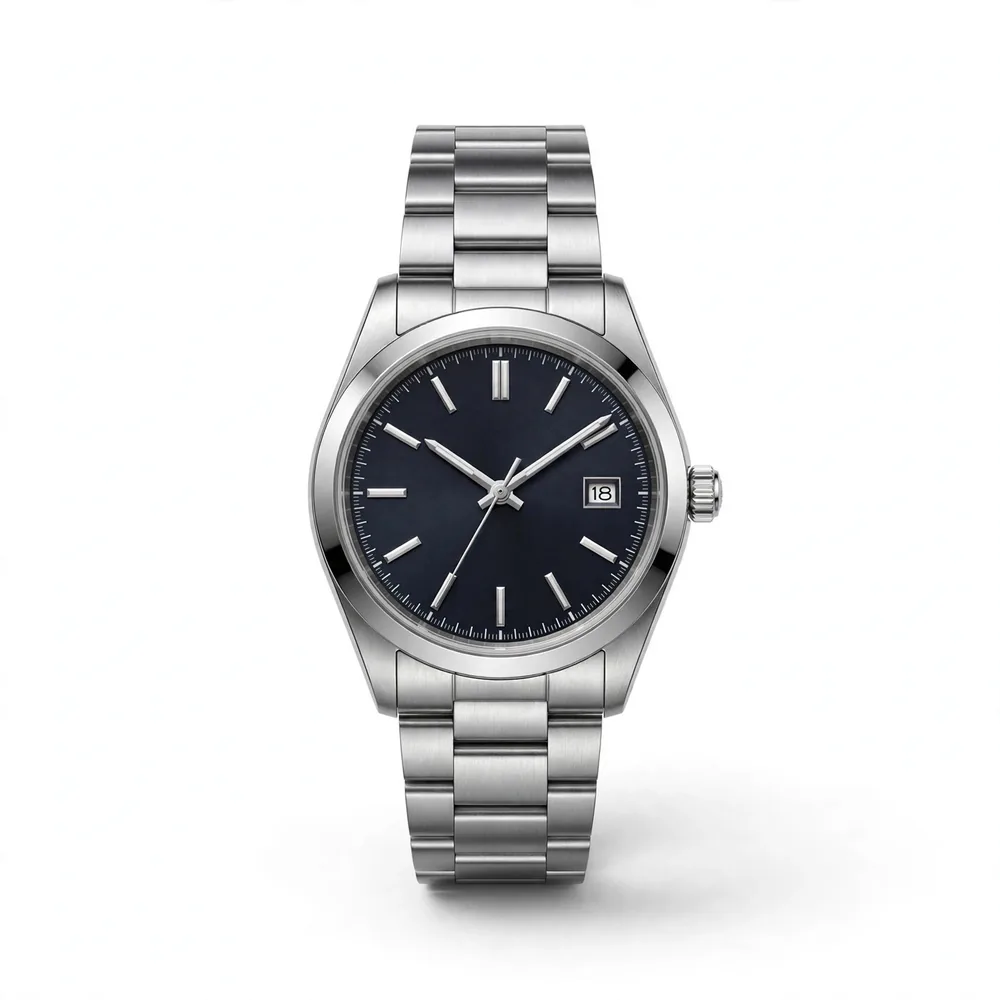 Modeled once,
used everywhere
PROPORTIONS
CONSTRUCTION
DETAIL
SCALE
WHAT WE MODEL
Products modeled
across categories.
If it is sold with pictures, it can usually be modeled. These are the product types our modeling team builds most often.
Hard-surface products
Watches, eyewear, electronics, bottles, tools and appliances — products defined by precise geometry, edges and finishes.
Fashion & accessories
Bags, footwear, jewelry and apparel items, modeled with their construction, stitching and hardware represented faithfully.
Furniture & homeware
Chairs, lighting, tableware and home products, built at true scale for renders and in-room visualization.
Packaging & containers
Bottles, jars, boxes and cartons modeled to the real dieline, ready for labels and packshot production.
WHY IT MATTERS
The model is
the investment.
Rendering, animation and variants all inherit the model’s quality. A model built carefully once pays back across every image and season that follows.
Correct before it is pretty
Proportions, dimensions and construction are verified against your references before any material or lighting work begins.
Clean, efficient geometry
Models built for fast rendering and easy editing — color, material and component changes do not require starting over.
One asset, every output
The same model produces stills, turntables, exploded views and scene placements, at any size, in any market format.
OUR MODELING PROCESS
From references
to approved model.
A clear four-stage process with an approval gate where it matters — on the model itself, before rendering begins.
Reference review
We study your photos, drawings and dimensions, and confirm what the model must capture: details, moving parts, finishes.
Block-out & proportions
The product’s form is built at true scale and checked against your references for silhouette and dimension.
Detail & construction
Seams, stitching, fasteners, engraving, mechanisms — the details shoppers zoom into are modeled, not faked.
Model approval
You review the finished model from key angles and confirm it is your product before look development starts.
WHERE MODELS GO NEXT
One model,
many deliverables.
Modeling is rarely the end product — it is the asset everything else is made from.
Photorealistic stills
Hero images, detail shots and catalog renders produced from the approved model.
Animation & film
Turntables, exploded views and feature demonstrations for product pages and campaigns.
Variants without reshoots
New colorways, materials and finishes rendered from the same model as your range grows.
Scenes & environments
Your product placed into rendered rooms, sets and worlds for campaign imagery.
Good photographs from several angles are the most common starting point, ideally with measurements. Technical drawings, CAD files or dimension specifications make modeling faster and more exact where you have them. For soft or complex products, a physical sample helps us capture construction details that photos can hide.
Yes — most e-commerce products can be modeled accurately from clear, multi-angle reference photos plus key dimensions. The limits are honesty-based: fine internal construction or details no photo shows may need drawings or a sample to get exactly right, and we will tell you when that is the case rather than guess.
A model is built to your product's real proportions and construction, and we check silhouettes, dimensions and details against your references at approval stage. Surface behavior — how a material reflects, folds or wears — is finished during look development, when materials and lighting are applied to the model.
The model is a standard 3D asset that feeds our rendering and animation pipeline directly. If your team also works in 3D, tell us your target software or platform at brief stage and we will confirm the delivery format that fits it before modeling begins.
No. Scanning captures an existing object with specialist hardware; modeling builds the object digitally from references. Modeling is usually the better fit for e-commerce — it produces clean, lightweight, editable assets — and it works for products that do not exist yet, which scanning never can.
HAVE A PRODUCT TO MODEL?
Send us your references.
Photos, drawings or a physical sample — tell us what you have and what the model needs to do, and we will confirm the route and scope.