AI Product Photography
AI product photography that starts from your product, not a prompt library.
Send a handful of honest photographs of the item you actually sell. Our pipeline builds studio-grade packshots, extra angles and placed scenes around it, and a retoucher checks every label, logo and material against the real thing.
The Problem, Solved Differently
Good product images without booking a studio every time.
Most catalogues stall at the same point. The products exist, a launch date exists, but the photography does not: no studio day, no set, no location, and listing pages waiting on visuals. Reshooting every variant and season becomes the most expensive line in the launch.
This service starts from what you already have. Even straightforward phone photographs can anchor the work, because generation is constrained by your product rather than invented from a generic description. From those sources the pipeline produces packshots, viewpoints and scenes with the depth of a much larger production.
There is a second route worth knowing. When a product depends on exact three-dimensional geometry — technical constructions, exploded views, mechanisms — our 3D & CGI services model the item properly instead. AI suits speed and scene variety; CGI suits geometric exactness.
The product in the picture has to be the product in the parcel. Everything else is staging.
What You Get
A complete listing set from a small set of photos.
Each commission is scoped around the channels you sell on, so the set arrives ready to publish.
Studio packshots
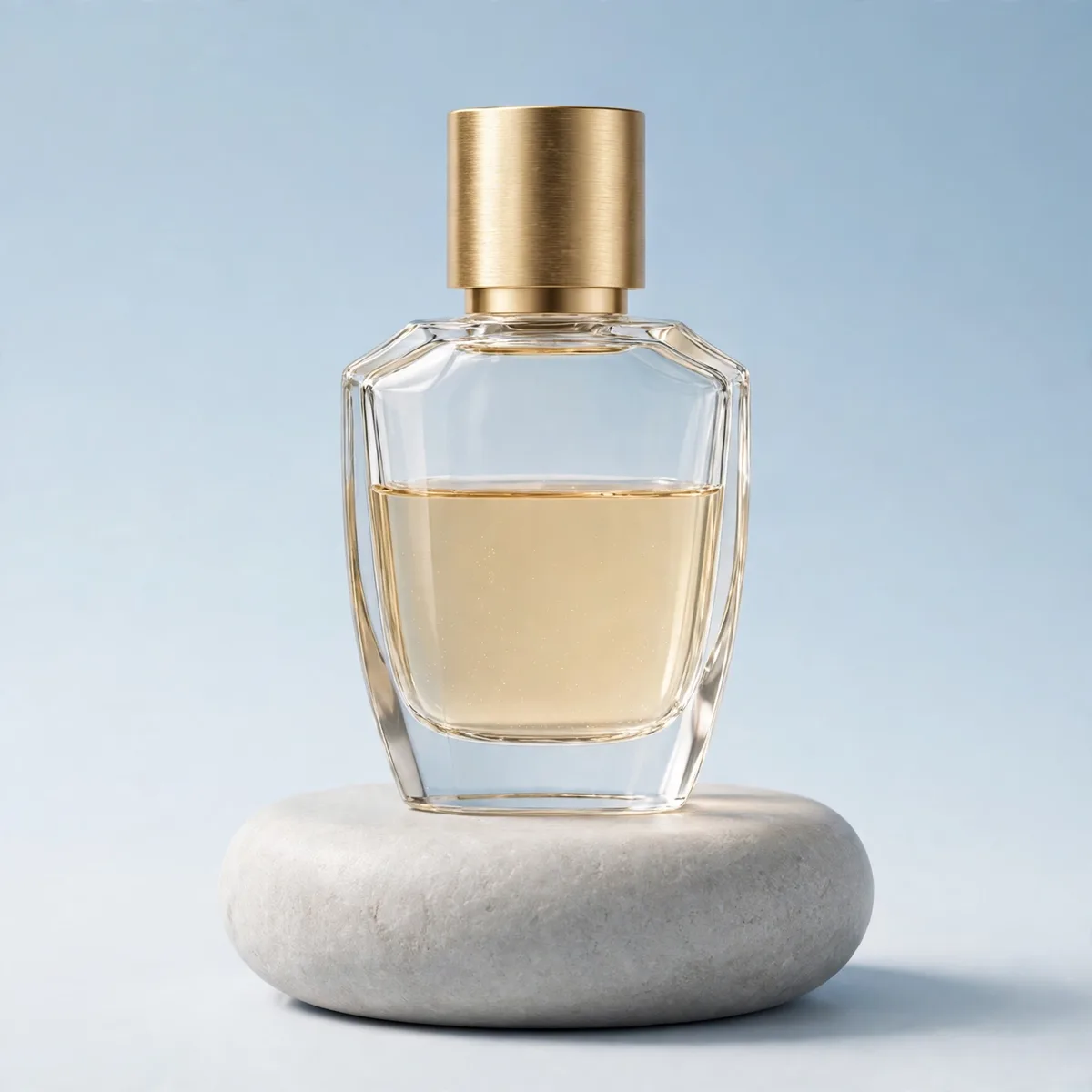
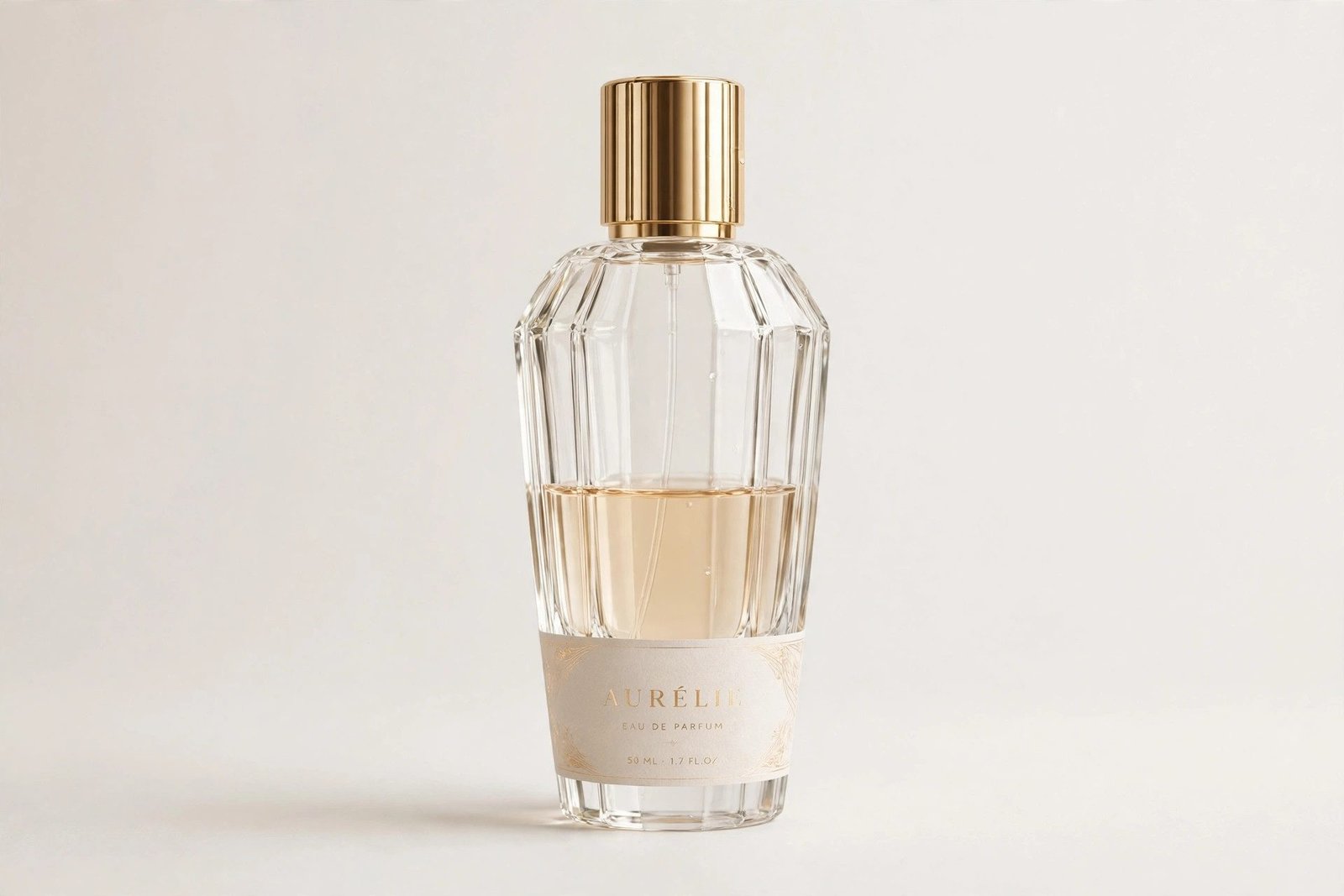
Clean front, angled and detail views on neutral grounds, lit to catalogue standard, with the product as the unmistakable subject of every frame.
Additional viewpoints
Angles you did not capture — back, side, top and in-hand scale views — generated from verified sources and corrected by hand where geometry needs help.
Placed lifestyle scenes
Your product set into believable rooms, surfaces and outdoor contexts, with matched light, contact shadow and reflection so the scene holds together.
Colour and variant sets
Each colourway or finish presented across the same views and scenes, so shoppers can compare variants without the photography changing style.
Marketplace-ready files
Exports prepared for the listings, store pages and placements in your brief, cropped and sized per destination from the same approved masters.
Product-truth checking
A retoucher reads labels and logos against the physical product, verifies colours and materials, and flags anything generation could not hold honestly.
Workflow
From source photos to store-ready files.
Source review
You send product photographs and brand references. The team checks which views the source material can honestly support.
Generation
Packshots, angles and scenes are generated around your verified product, following the art direction in the brief.
Retoucher finishing
Edges, reflections and shadows are refined by hand, and label, logo and colour accuracy corrected against the real item.
Consistency QC and delivery
The set is checked as one family — light, colour and scale aligned — then exported to your channel specifications.
Who It Is For
Built for launches, listings and lean catalogues.
The service fits brands whose products are ready before their photography is: marketplace sellers expanding a range, direct-to-consumer stores launching without a shoot, and established catalogues needing scene variety across a season — all scoped to the products and views each brief actually needs.
- Launches without a shoot: a full visual set created from product samples and references.
- Marketplace sellers: clean listing imagery with consistent presentation across the range.
- Growing catalogues: new products matched to an existing store's look without rebooking a set.
- Seasonal refreshes: familiar products placed in new contexts as campaigns change.
- Variant-heavy ranges: every colourway shown the same way, so comparison stays fair.
- Small teams: art direction, generation and finishing handled in one place, briefed once.
Deliverables
What arrives, and in what form.
| Deliverable | Formats | Notes |
|---|---|---|
| Packshot set | High-resolution JPG and PNG | Neutral-ground views named per product and variant for listing upload. |
| Scene set | High-resolution JPG | Lifestyle images finished with matched light, shadow and reflection. |
| Channel exports | Sized JPG per destination | Crops and ratios for each marketplace or store placement in the brief. |
| Web editions | Optimised JPG and WebP | Lightweight versions matched to the approved masters. |
| Source log | Document with delivery | Record of which source photographs anchored each product, for refreshes. |
Tell us the destinations at the start and exports are produced from approved masters, never by re-generating the image.
Questions
AI product photography questions.
What do you need from me to start an AI product photography job?
Send clear photographs of the real product from a few angles, plus brand references for background, light and layout. Sharp, well-lit phone photographs are workable. The team studies the physical details first, because every generated view is later checked against those source images for accuracy.
Will the generated images match my actual product exactly?
That is the standard the finishing stage works to. Retouchers compare each generated view with your source photographs and correct label text, logo placement, colour, material and proportions wherever the generation drifts. If a detail cannot be held truthfully, you are told plainly and an alternative approach is suggested instead.
Can you create angles and scenes I never photographed?
Yes, within what your source photographs can honestly support. New viewpoints, surface settings and lifestyle contexts are generated around the verified product, then finished by hand so shadows, reflections and scale stay believable. Extreme construction details that were never visible in any source image may need additional reference photographs.
Where can I use AI product images?
Most clients use them for marketplace listings, direct-to-consumer stores, launch pages and campaign creative where a full studio shoot is not practical. Files are prepared to the sizes each channel requires. You remain responsible for following the disclosure and imagery rules of each marketplace you sell on.
Should I choose AI product photography or CGI for my products?
Choose AI production when you have real product photographs and want varied packshots and scenes built around them. Choose CGI when the product needs exact three-dimensional geometry, exploded views or precise technical angles. Many brands use both, and the team will recommend the route that fits each product honestly.
How does the free trial work for this service?
Send a small set of product photographs and a short brief describing the views or scenes you want to test. The studio produces trial images through the same generation and retoucher-checking process as a full commission, covering a free trial of up to 5 images, so you can judge quality before committing further.
Who checks the images before delivery?
A human retoucher checks every delivered image. Labels and logos are read against the real product, edges and reflections are refined, and colour is matched across the set so listings look consistent. Nothing leaves as raw generation output; the human pass is a fixed part of this service, not an optional extra.
Keep Exploring
Related reading.
AI Creative Services
See the full programme — model imagery, backgrounds, video, enhancement and automation — under the same human quality standard.
Explore the hub → From The JournalProduce Professional Product Images with AI Models
How AI model imagery is produced for product pages, and what to check before publishing generated visuals on a store.
Read the article →Start Small, Judge Honestly
Put your own product through the pipeline first.
Send photographs of one real product and see packshots and scenes built around it — checked by a retoucher, not just generated. The trial covers up to 5 images free.