AI Model & Fashion Imagery
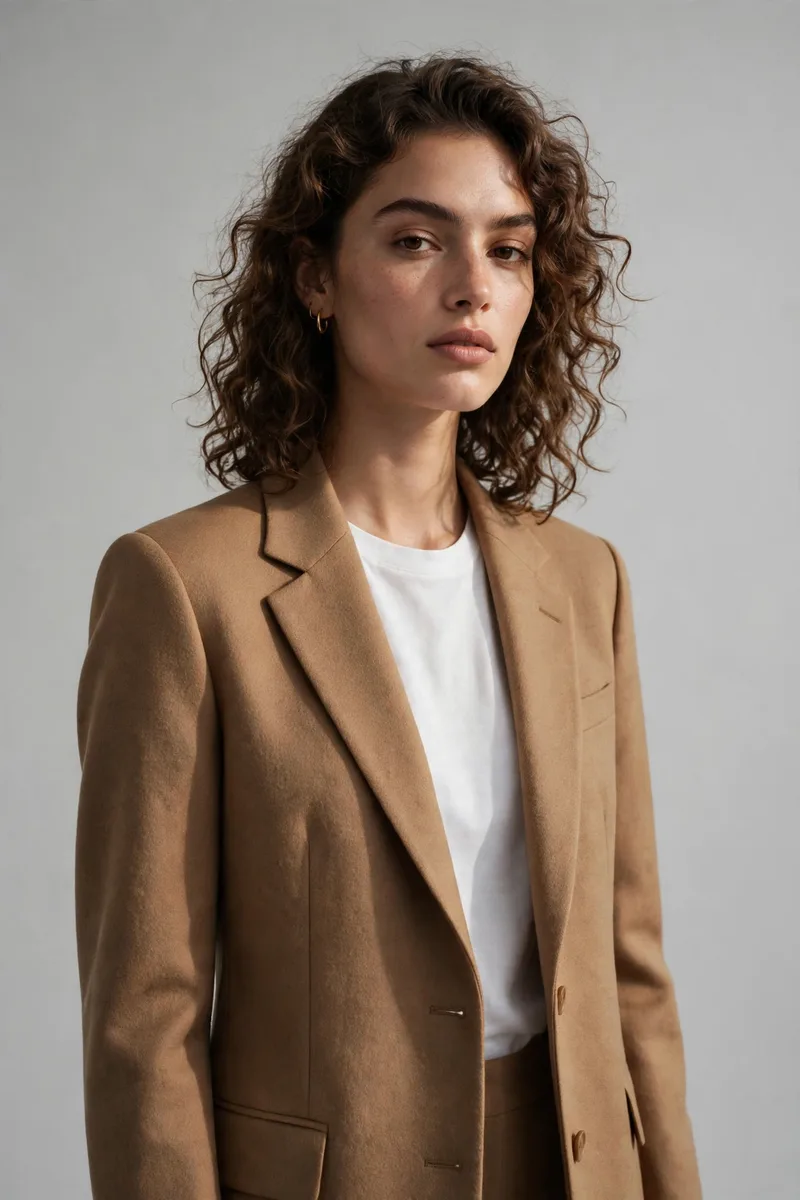
AI model and fashion imagery with one consistent face for your brand.
A virtual model built to your casting brief, wearing your actual garments, held to the same identity across a whole collection. Fashion retouchers finish every frame, so fit, drape and fabric read as they do in your studio.
Why Brands Use It
A cast of one, for every drop.
On-model photography sells clothing better than flat shots alone, but it is the hardest imagery to keep supplied. Models are booked, collections slip, colourways multiply, and by the time a reshoot is arranged the season has moved on. Many brands show only part of a range worn.
This service builds the model around the brand instead of the diary. You brief the casting — age, presentation, styling and attitude — and a generated identity is approved before production begins. That same person then carries the whole collection, without the face changing between frames the way loosely prompted generation drifts.
Your garments stay real throughout. Pieces are supplied as photographs of the actual clothing, draped and fitted onto the model, then finished by fashion retouchers. A note on honesty: these are generated people, disclosed as such, never imitations of identifiable individuals.
One face, one standard of fit, across the entire collection — that is what makes generated casting usable.
What You Get
Collection imagery with casting discipline.
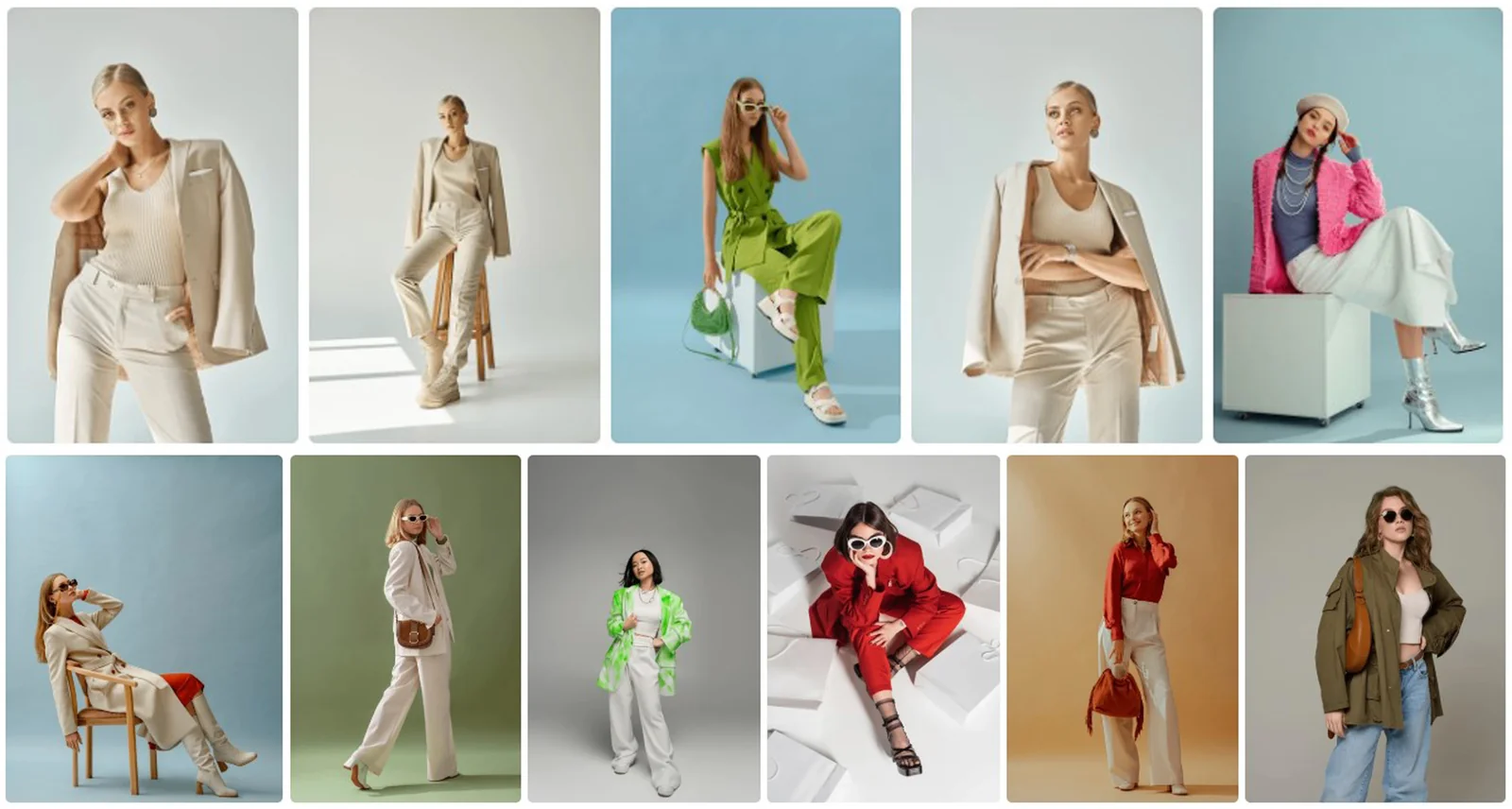
Each commission is built around an approved identity and garment record, so the set behaves like a properly planned shoot — because it was.
A model built to brief
Identity, hair and styling created from your casting direction and locked after test frames you approve.
Whole-collection consistency
The same face and proportions across every garment and colourway, checked frame by frame so the person never drifts between product pages.
Your garments, faithfully worn
Real pieces photographed by you, draped and fitted by the pipeline, with print, colour and construction verified against the physical clothing.
Broader casting, no reshoots
Additional presentations, ages and body types added to a range without reconvening a cast, studio and styling team for another shoot day.
Settings that suit the story
Studio, street and location settings art-directed per collection, with light matched so the model belongs in the scene.
Fashion retoucher finishing
Skin, hair, fit and fabric refined by hand on every frame, with the natural texture a fashion customer expects from worn photography.
Workflow
Identity first, garments second.
Casting brief and tests
You describe the model you need and send garment photographs. Test frames establish the identity for approval.
Generation across the range
The approved model is generated wearing each piece, in the poses and settings the brief calls for.
Fashion finishing
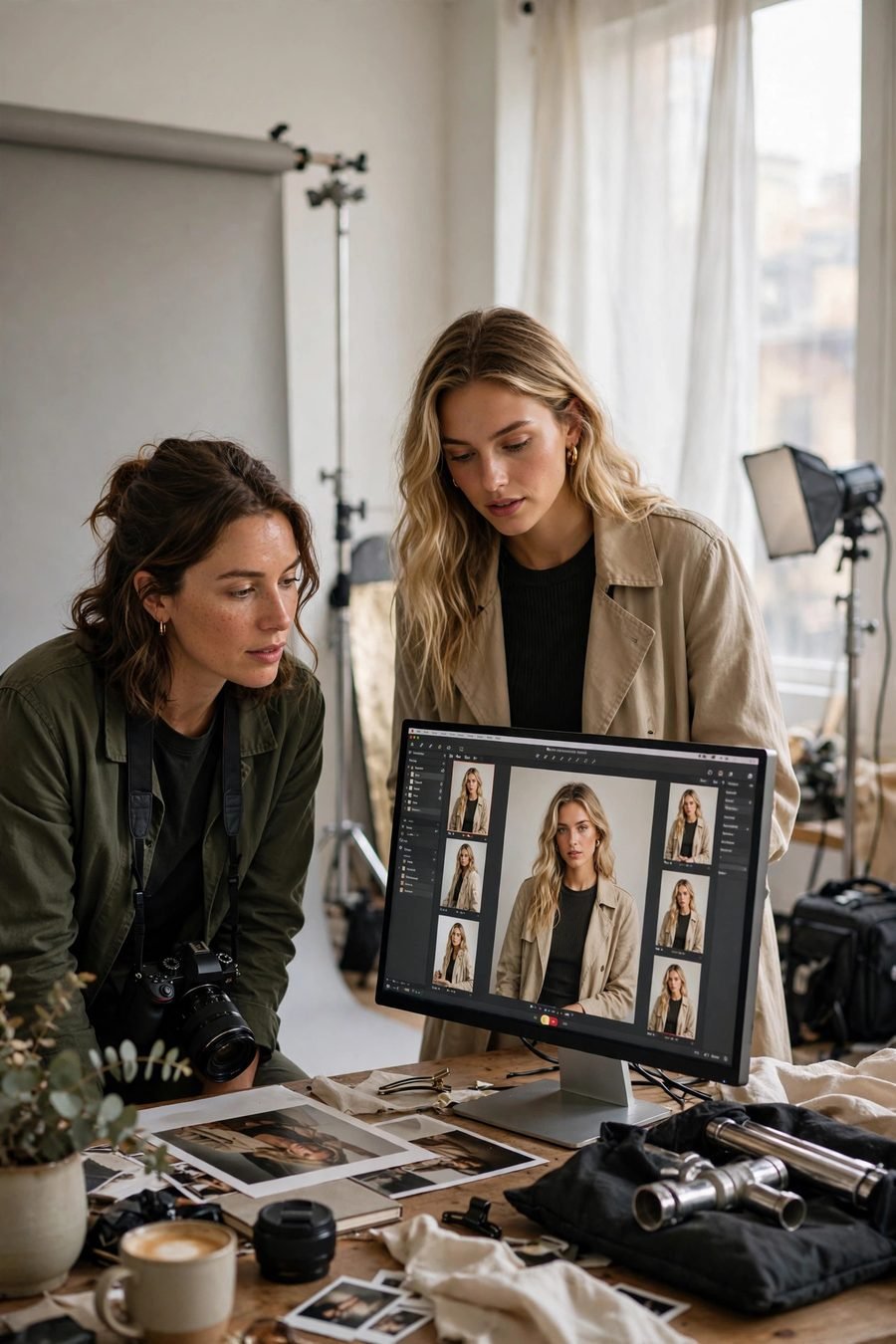
Retouchers refine fit, drape, skin and hair, and verify garment details against your photographs.
Identity QC and delivery
The set is reviewed as a whole for face and proportion consistency, then exported to your specifications.
Who It Is For
For brands outgrowing their shoot calendar.
Apparel labels launching frequent drops, stores that can only shoot part of a range worn, and brands entering new markets all face the same gap between the clothing they have and the worn imagery they can show.
- Frequent-drop labels: worn imagery for every release without a shoot attached to each one.
- Colourway-heavy ranges: every option shown on the model, not just the hero colour.
- Size-inclusive ranges: casting that reflects the customers the clothes are made for.
- New-market launches: locally relevant casting produced to one brand standard.
- Campaign refreshes: familiar pieces re-presented in new settings each season.
- Small fashion teams: casting, generation and finishing in one briefed workflow.
Deliverables
What a finished set contains.
| Deliverable | Formats | Notes |
|---|---|---|
| Identity pack | Reference images with delivery | Approved model references kept on file, so future drops reuse the same person. |
| On-model set | High-resolution JPG and PNG | Each garment shown worn, named per piece and colourway for store upload. |
| Campaign frames | High-resolution JPG | Wider compositions for banners, lookbooks and campaign pages. |
| Channel exports | Sized JPG per destination | Crops for product pages, social placements and listings from approved masters. |
| Disclosure note | Document with delivery | A plain record that the model is AI-generated, for channels that require it. |
Clear front, back and detail views of each piece give the finishing team the record they need to hold fit and fabric honestly.
Questions
AI model imagery questions.
How is the virtual model for my brand created?
Share garment photographs, brand references and a casting brief describing the person your customer should see: age range, presentation, styling and mood. The studio builds a generated model to that brief and shares test frames for approval before collection imagery is produced around the identity.
Will the model look like the same person in every image?
That consistency is the core of the service. Once an identity is approved, it is held as the reference for the whole set, and a retoucher checks face, hair and proportions frame by frame. Sets are delivered only when the person reads as the same individual across every image in the collection.
Can the model wear my actual garments?
Yes. Garments are supplied as photographs of the real pieces, and the pipeline drapes and fits them onto the model before fashion retouchers refine fit, drape and detail. Colour, print and construction are checked against your garment photographs, so the clothing shown is the clothing you sell.
What casting options does a generated model offer?
Because the model is generated, casting can reflect a wider range of ages, body types and presentations than a single booked shoot usually allows. You approve the casting direction in the brief, and test frames confirm it before production begins on the full collection set.
Are the AI models based on real people?
The models are generated people, created for this work and disclosed as AI-generated wherever that context matters. They are never built to imitate or resemble an identifiable real individual, and Pic Visual will decline briefs that ask for a likeness of a specific person. Transparency protects both your brand and your customers.
What do I need to supply for a collection?
Supply clear photographs of each garment, ideally showing front, back and key details, plus styling references for hair, makeup and setting. The clearer the garment record, the more faithfully fit and fabric can be finished. The team confirms what your photographs can support before production is scoped.
How does the free trial work for model imagery?
Choose pieces from your collection and a short casting and styling brief. The studio creates the model identity and produces trial imagery through the same generation and retoucher-finishing process as a full commission, covering a free trial of up to 5 images, so you can judge identity consistency on your own garments first.
Keep Exploring
Related reading.
Neck Joint Service Mannequins into AI Models
How traditional garment presentation connects with generated model imagery, and where each approach earns its place.
Read the article → From The JournalProduce Professional Product Images with AI Models
A practical walkthrough of producing product imagery with AI models, including the checks that keep visuals credible.
Read the article →See It On Your Clothes
Judge consistency on your garments first.
Send a few pieces from your range and a short casting brief. The trial produces model imagery through the full generation and finishing process, covering up to 5 images free — judged on your clothing, not a showreel.