BLOG
What is Recycled Fashion?
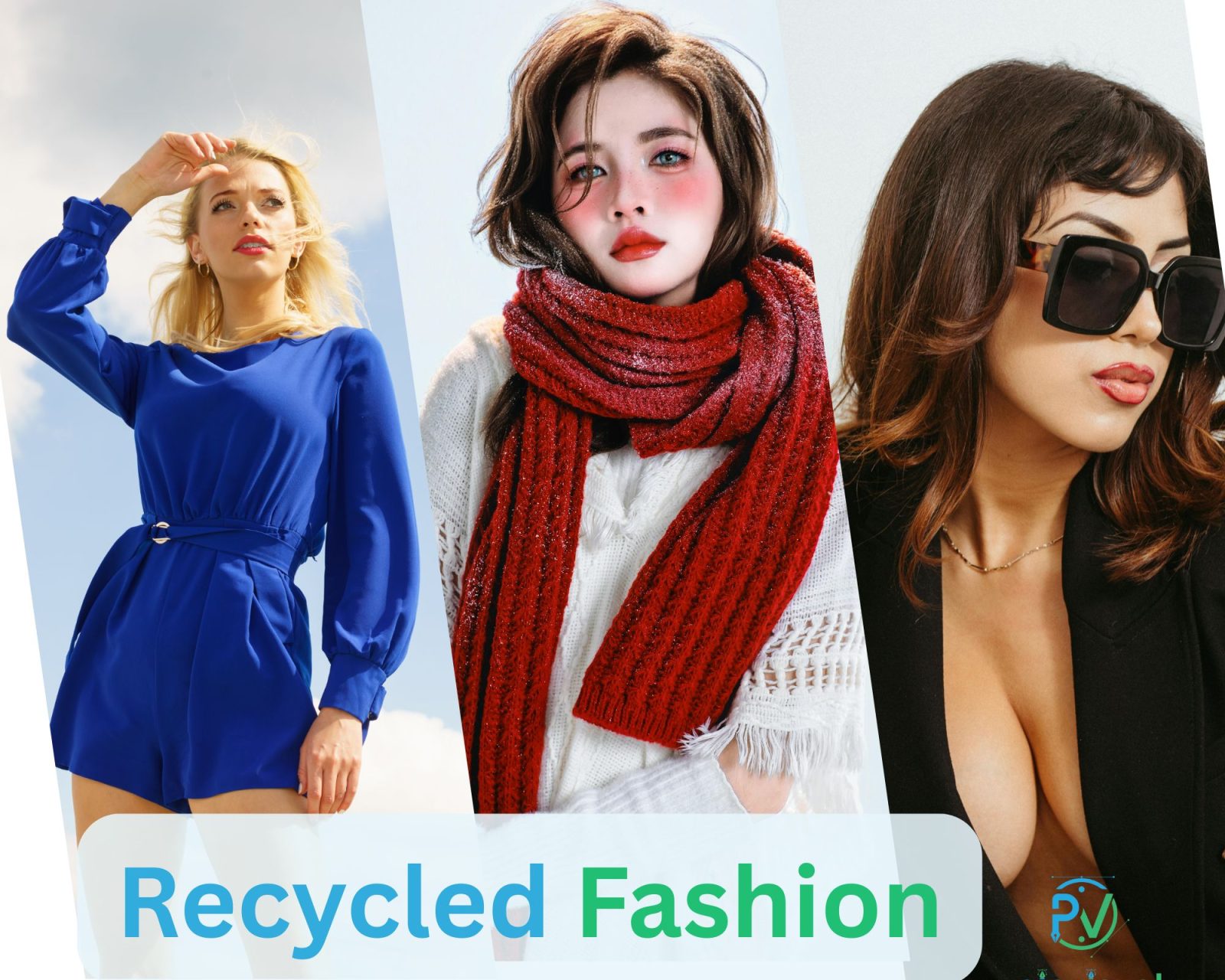
K; BVRecycled Fashion means making clothing, footwear, or accessories from materials that already exist instead of using new raw resources. These materials would otherwise be thrown away and end up in landfills.
Recycled fashion uses post-consumer waste like old clothes and plastic bottles, and pre-consumer waste like fabric scraps from factories. The goal is to reduce waste, save resources, and lower environmental impact.
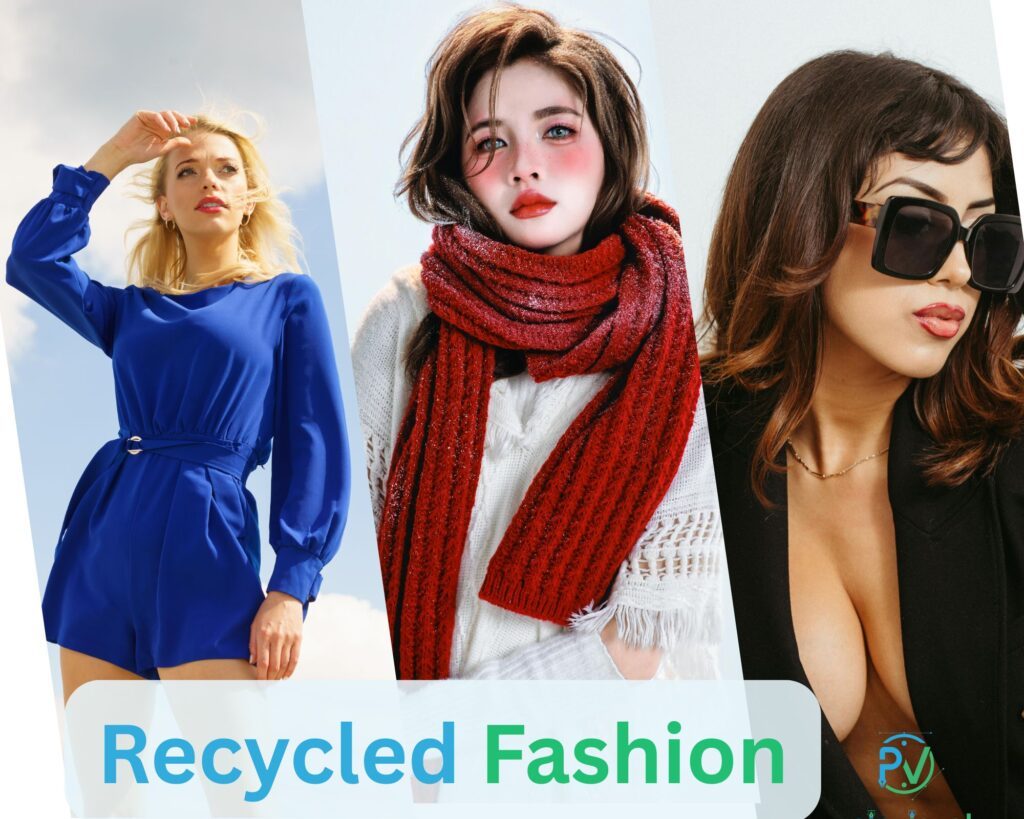
Example:
Plastic water bottles are cleaned, melted, and turned into polyester yarn. That yarn is then used to make jackets, sportswear, or swimwear. The product is new, but the material is reused.
In simple terms, recycled fashion gives old materials a second life while reducing pollution and waste.
Sustainable vs. Recycled Fashion: What’s the Difference?
In short, sustainable fashion covers the whole process, while recycled fashion focuses only on reusing materials.
Sustainable fashion:
Sustainable fashion is a broad concept. It looks at the entire life of a garment, from how raw materials are grown to how the product is made, sold, used, and disposed of. It includes fair wages and safe working conditions, organic or low-impact materials, reduced water and energy use, and lower carbon emissions.
Recycled fashion:
Recycled fashion is a specific part of sustainable fashion. It focuses only on materials. The goal is to reuse existing resources, such as old clothes, fabric waste, or plastic bottles, instead of making new raw materials. This helps reduce waste and supports a circular system.
6 Key Materials Used in Recycled Fashion
Modern technology allows old materials to be broken down and reused to create new fabrics. These recycled materials help reduce waste, save resources, and lower environmental damage. Below are the most common materials used in recycled fashion, explained simply.
- Recycled cotton is made from old clothes or leftover fabric from factories. It helps save large amounts of water and reduces the need for pesticides, which are heavily used in new cotton farming. This makes it a lower-impact option for everyday clothing.
- Recycled wool comes from discarded sweaters or tailoring waste. Wool is strong by nature, so it keeps its warmth and durability even after recycling. This makes it ideal for coats, scarves, and winter wear.
- Recycled cashmere is made from factory scraps left over during production. It keeps the softness and comfort of cashmere but uses far fewer resources. This allows brands to offer luxury products with a lower carbon footprint.
- Recycled PET plastic is usually made from plastic water bottles. The bottles are melted and turned into polyester yarn. This material is commonly used in activewear and swimwear because it is lightweight and quick-drying.
- Recycled rubber is sourced from old tires or worn-out shoe soles. It is mainly used for shoe outsoles because it is tough and long-lasting. Recycling rubber also keeps large waste items out of landfills.
- Recycled leather is created by shredding leather scraps from factories and bonding them together. This process reduces waste from the leather industry and lowers the need for new animal hides.
Brands Leading the Way
| Brand | Focus Area |
| Re/Done | Iconic for repurposing vintage Levi’s into modern fits. |
| SENREVE | Offers a “Second Life” collection using reclaimed luxury leathers. |
| Ruby Moon | Turns ocean plastic and ghost fishing nets into vibrant swimwear. |
| Fanfare | An ethical label known for upcycled denim and textile waste collections. |
| ASOS Reclaimed | A high-street take on vintage styles and repurposed fabrics. |
| Nube | Uses recycled plastic and non-toxic dyes for US-made activewear. |
| Organic Basics | Focuses on recycled nylon and wool for high-quality essentials. |
| Urban Renewal | Urban Outfitters’ line that breathes new life into deadstock and vintage finds. |
How to Take Part in the Movement
You don’t need a massive budget to participate in recycled fashion. It is as much about a mindset shift as it is about shopping.
- Buy Previously Owned: Thrift stores, Depop, and Posh mark are goldmines for keeping clothes in the loop.
- Shop Your Closet: Before buying new, “rediscover” what you already own. Often, we have hidden gems tucked away.
- Revamp Old Duds: Use DIY techniques like embroidery, dyeing, or cropping to refresh a piece you’ve grown tired of
- Invest in Quality: Buy fewer, better-made items that are designed to last years, not weeks
How Much Carbon and Water Is Actually Saved?
Recycled fashion saves significant water and carbon compared to making new materials. For example, recycled cotton uses far less water than virgin cotton because it avoids farming and irrigation. Recycled polyester made from plastic bottles uses less energy and produces fewer carbon emissions than new polyester made from oil. Exact savings vary by process, but recycled materials almost always have a lower environmental impact than new ones.
Understanding the Quality Tiers of Recycled Goods
Not all recycled products are the same quality. Some are downcycled, meaning the material becomes weaker or lower grade after recycling. These items may not last as long. Others are upcycled, where materials are processed carefully to keep strength and durability. Higher-quality recycled goods often cost more because they require better sorting, cleaning, and production.
Slide 1 of 3
How Pic Visual Can Help Recycled Fashion Brands
Pic Visual helps recycled fashion studios tell their sustainability story through strong, clear visuals. By showcasing the journey from waste materials to finished garments, they make eco-friendly fashion easy to understand and emotionally engaging for customers.
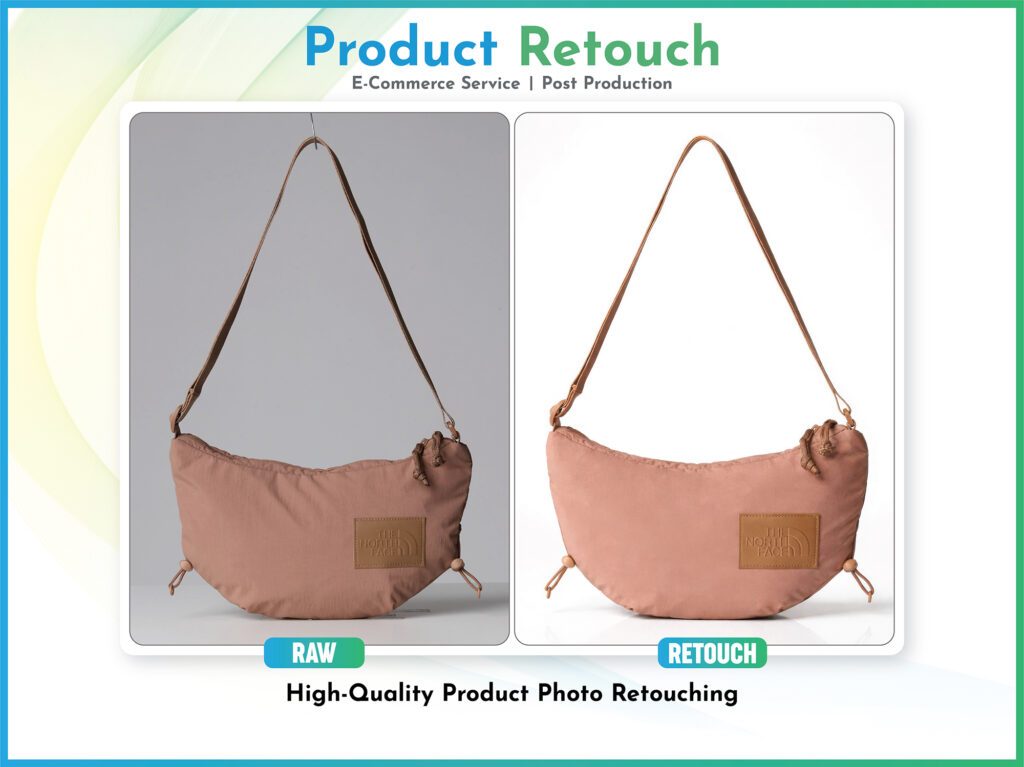
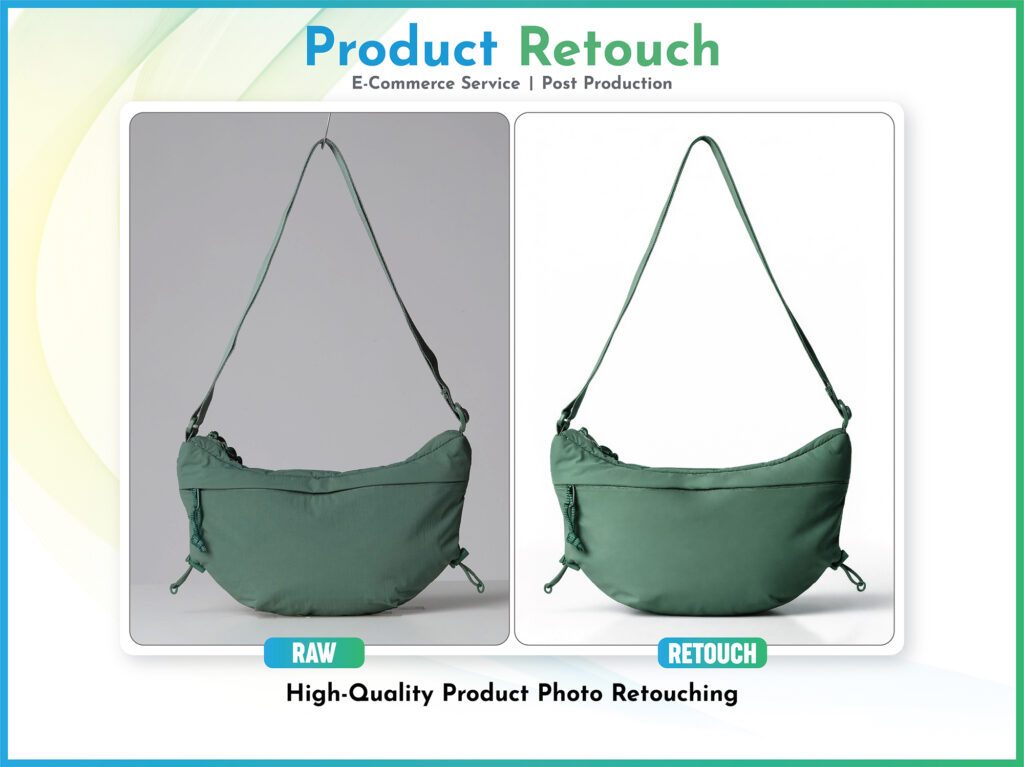
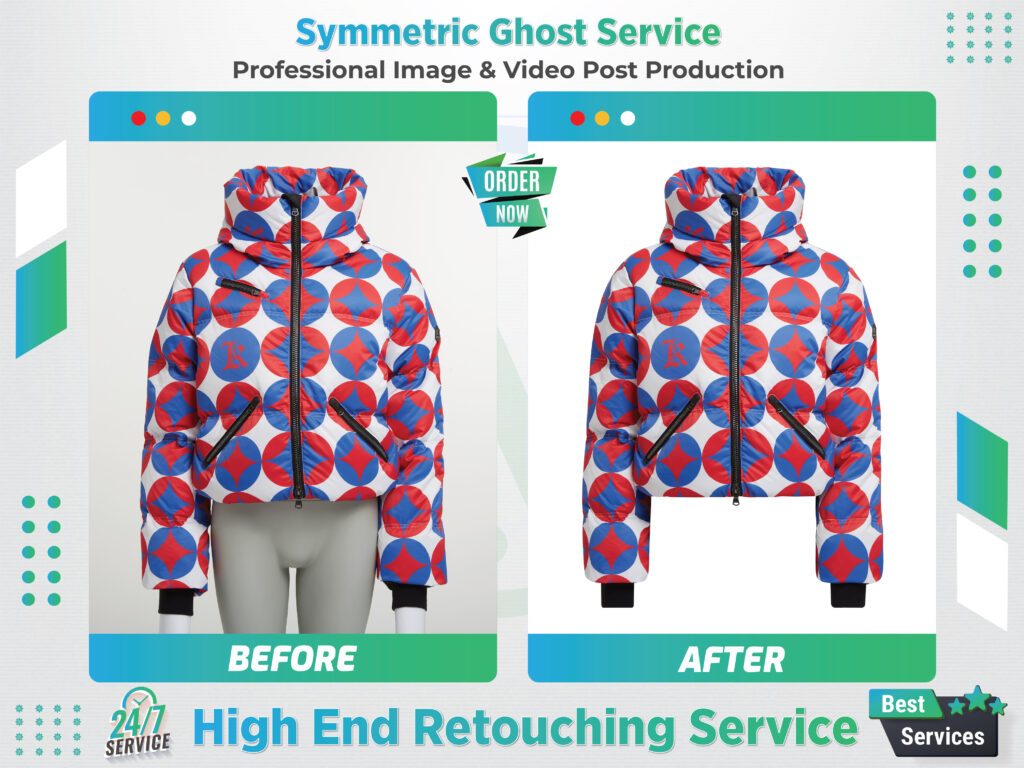
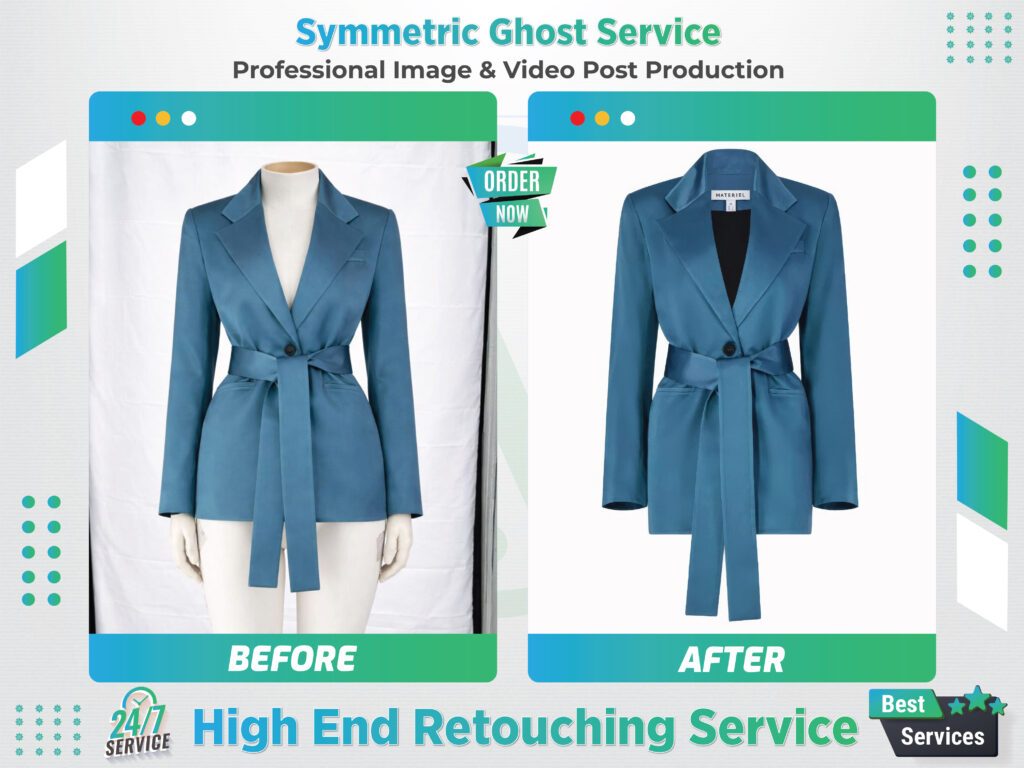
Through high-quality product, editorial, and lifestyle photography, Pic Visual elevates recycled fashion to feel premium and desirable. Their visuals highlight fabric texture, craftsmanship, and durability, helping overcome the misconception that recycled materials are lower quality.
Pic Visual also supports marketing and branding needs by creating consistent visual identities for websites, social media, and campaigns. This helps recycled fashion brands build trust, communicate transparency, and stand out in a competitive market.
Is recycled polyester safe to wear?
Yes, recycled polyester is safe to wear. It is made using the same base material as regular polyester. It does not cause skin harm for most people. The main concern is microplastics, which can shed during washing. This happens with both recycled and virgin polyester. Using a washing bag or washing less often helps reduce this issue. For sensitive skin, recycled polyester is generally safe, but natural fibers may feel more comfortable.Why is recycled clothing sometimes more expensive?
Recycled clothing often costs more because the process is complex. Materials must be collected, sorted, cleaned, and processed before reuse. This takes time, labor, and technology. Unlike new materials, recycled inputs are not uniform. Extra work is needed to ensure quality and safety. These steps increase production costs, even though the environmental impact is lower.How can I tell if a brand is actually recycling?
Check for trusted certifications and clear transparency. One key certification is Global Recycled Standard. It verifies recycled content and tracks materials through the supply chain. Brands should also clearly state what is recycled, how much is recycled, and where the materials come from. Vague claims without proof are a red flag.